Italian meringue filling for cream horns
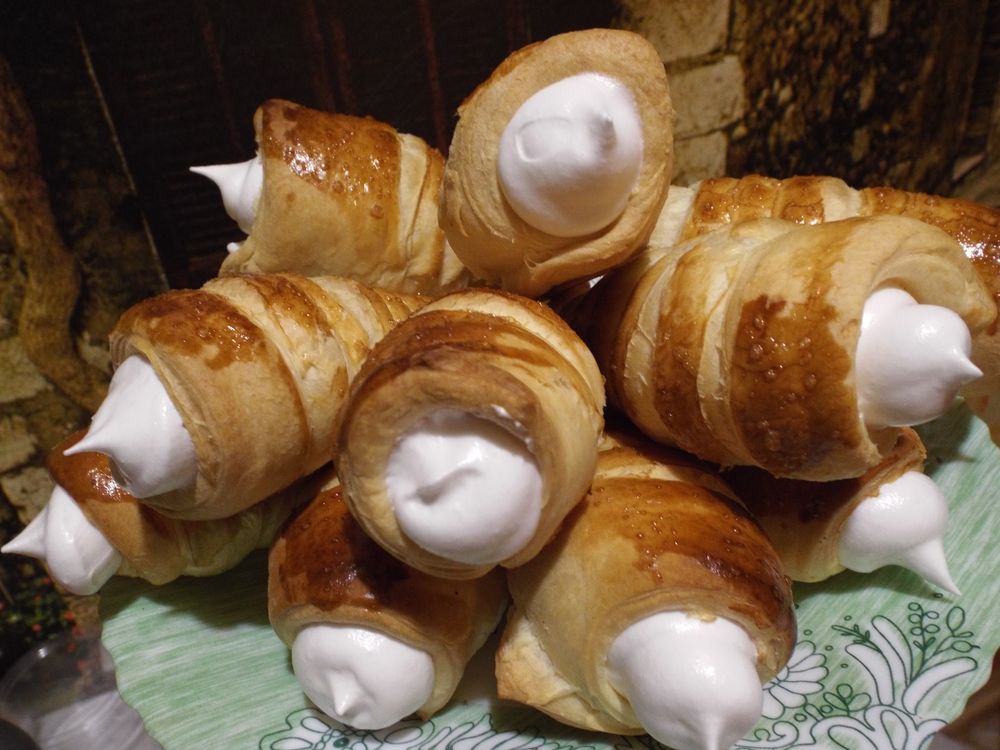
With metal cream horn molds, I can now make puff pastry horns whenever I like. Making 24 took less than an hour. Store-bought puff pastry makes the shells easy, but I had never made meringue with hot sugar syrup before and was a little nervous. It turned out to be straightforward: about half an hour and just a few inexpensive ingredients.
Adjust servings in the full version
The cream turns out slightly sour. If you don't want this, reduce the amount of citric acid.
The syrup is boiled to a temperature of 120-122°C. If you have a thermometer, you can use it.
When cooking syrup, give preference to utensils with a comfortable long handle. It is much more convenient to pour syrup into cream from a ladle than from a saucepan.
Three egg whites make a lot of cream. I had more than enough for 24 pastry rolls. I deposited the remaining cream on a baking sheet and dried the meringue.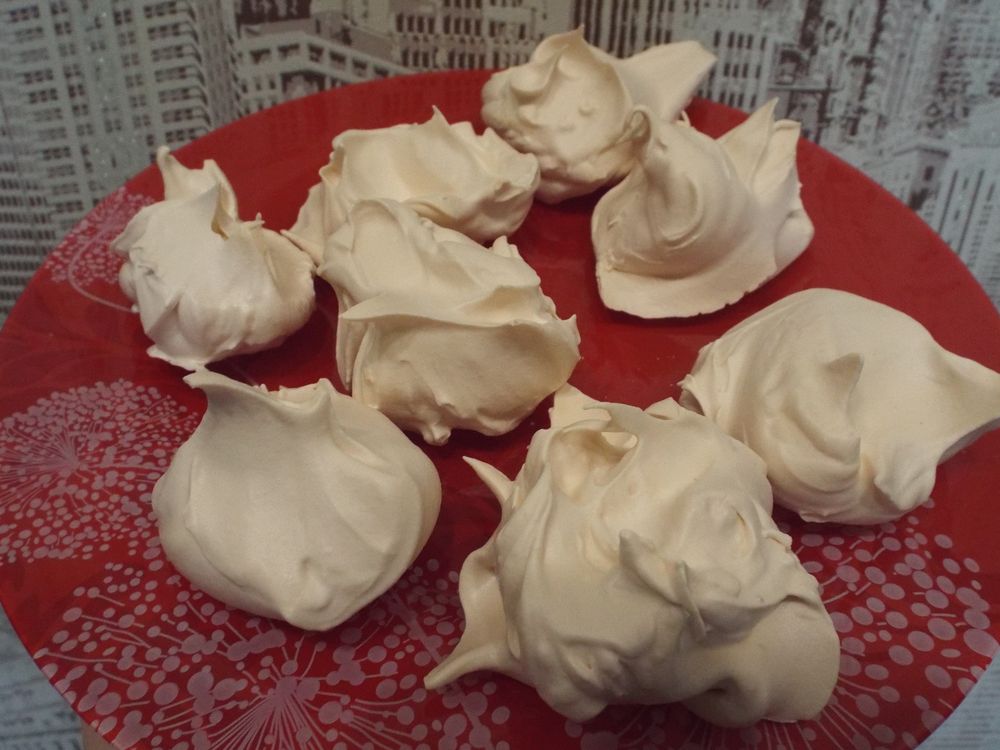
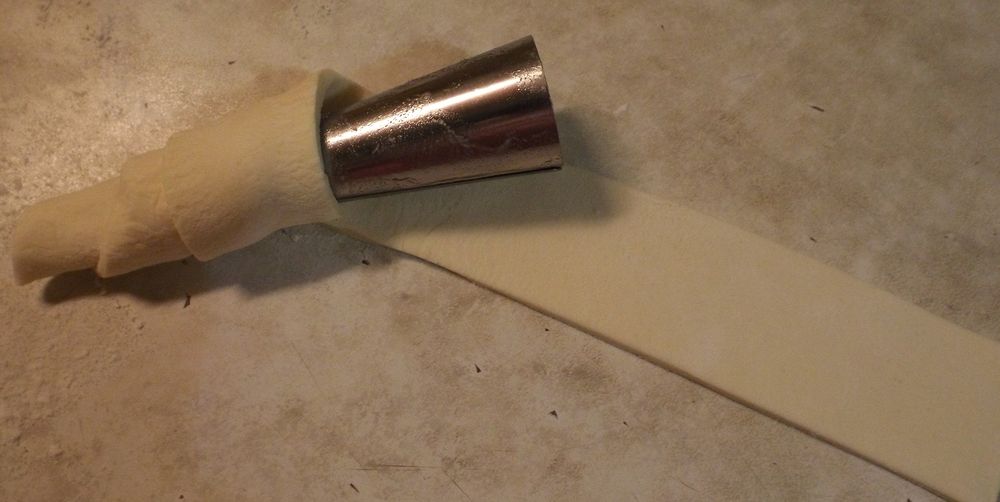
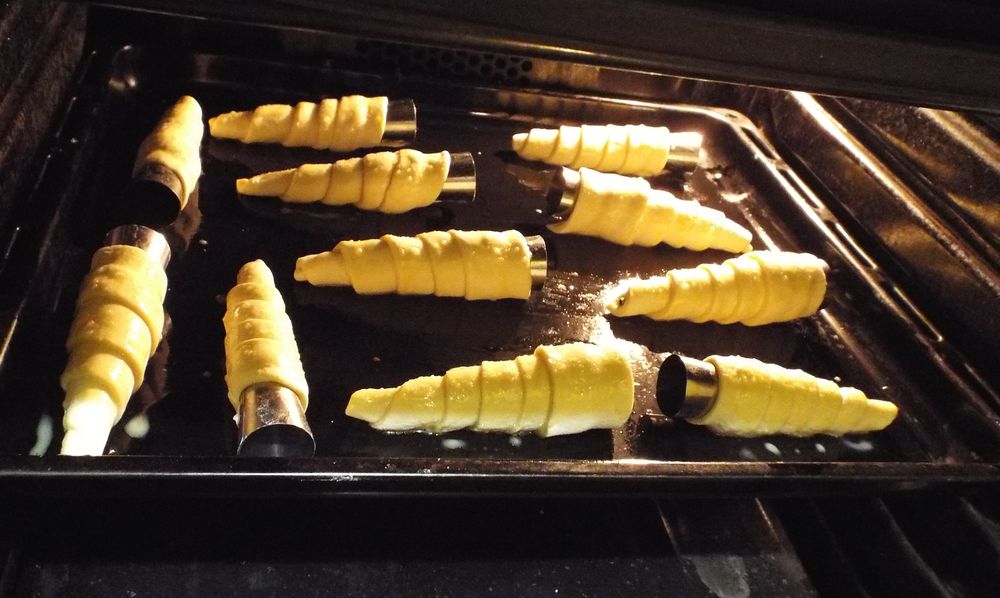
I baked the cream horns from ready-made puff pastry. Lightly grease the cones with oil and wrap strips of dough around them. One layer of dough yielded 6 cream horns.
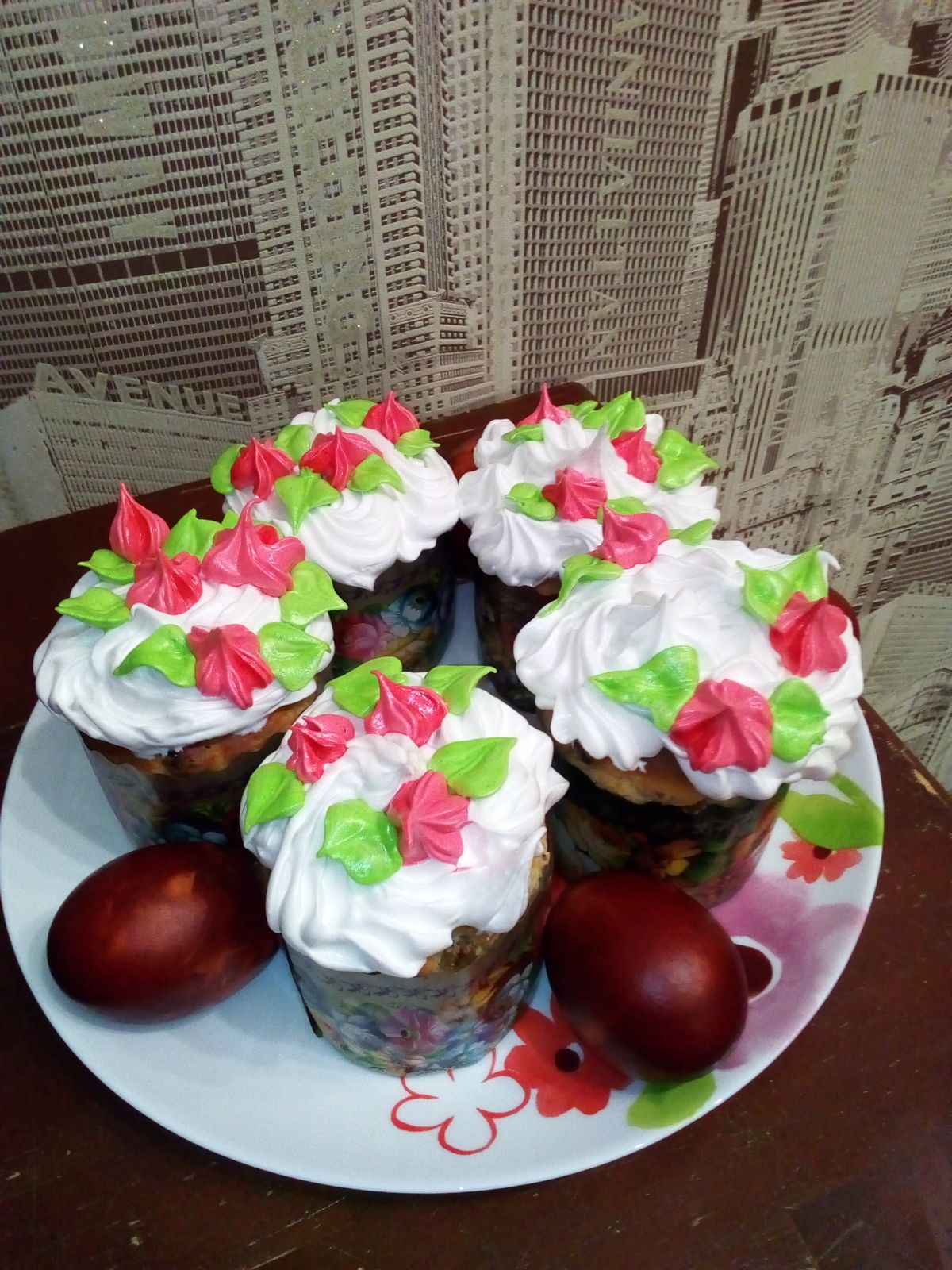
I use the same meringue cream to decorate Easter cakes. I tint the finished cream using liquid dyes. Literally 2-3 drops.
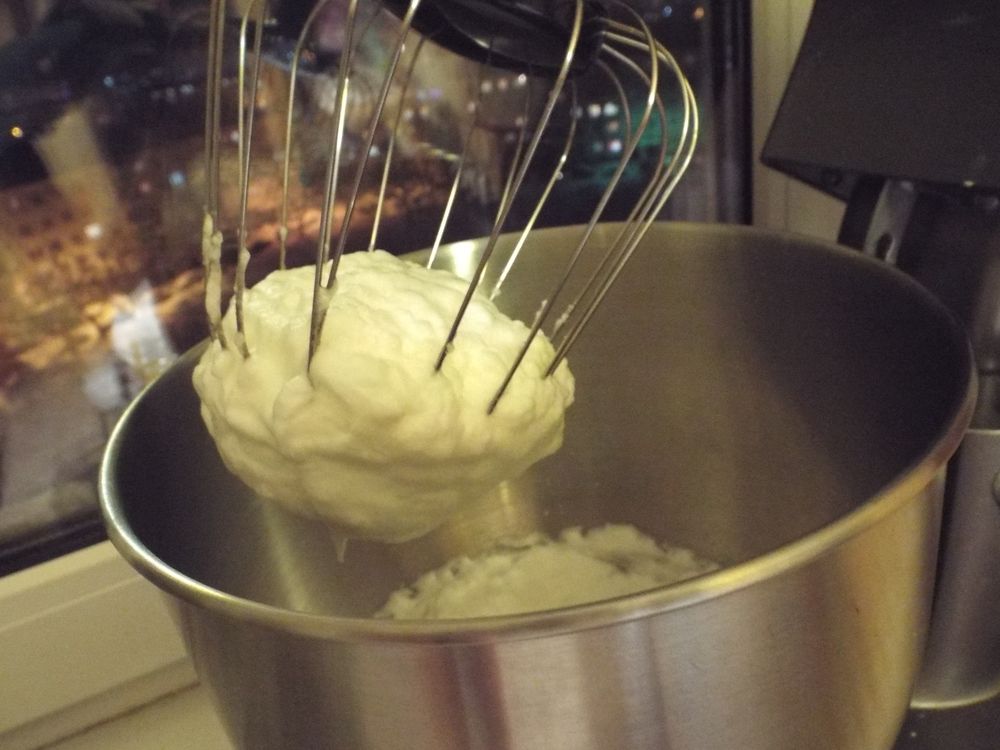
Separate the yolks from the whites. Make sure that the yolk does not fall into the container with the whites, otherwise the cream simply will not whip up. Beat the whites first at low speed, then gradually increase to maximum. By the time the syrup is ready, the whites should be whipped into a strong foam.
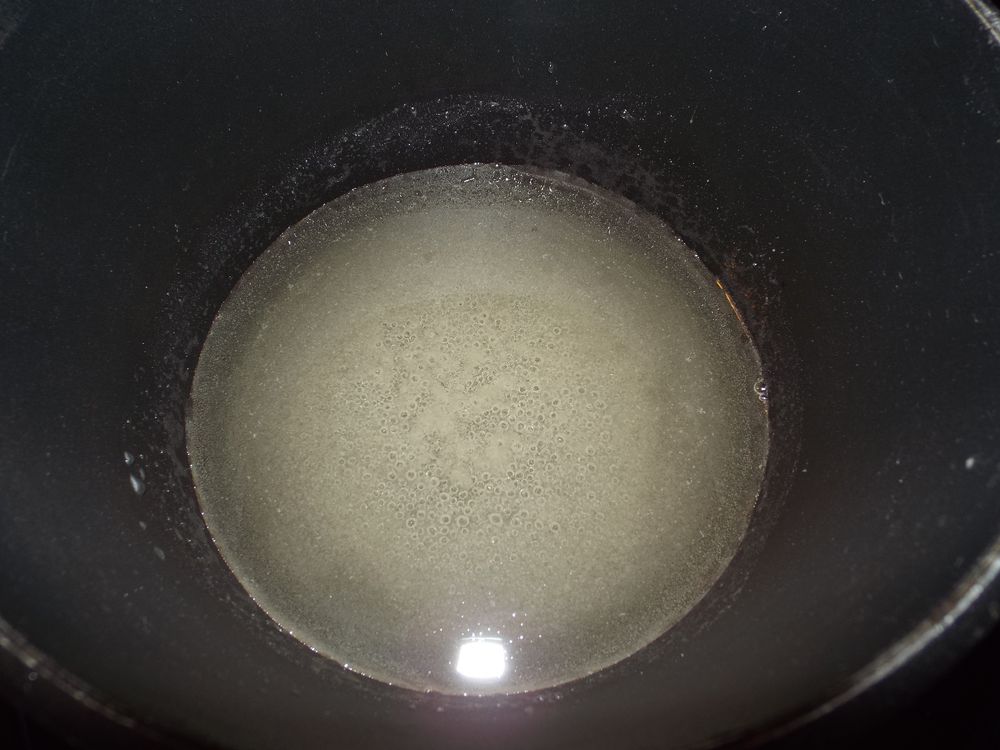
Measure water into a ladle or saucepan with a thick bottom and add sugar. First put it on high heat and as soon as it boils, reduce it to “above medium”. Stir several times until the sugar dissolves.
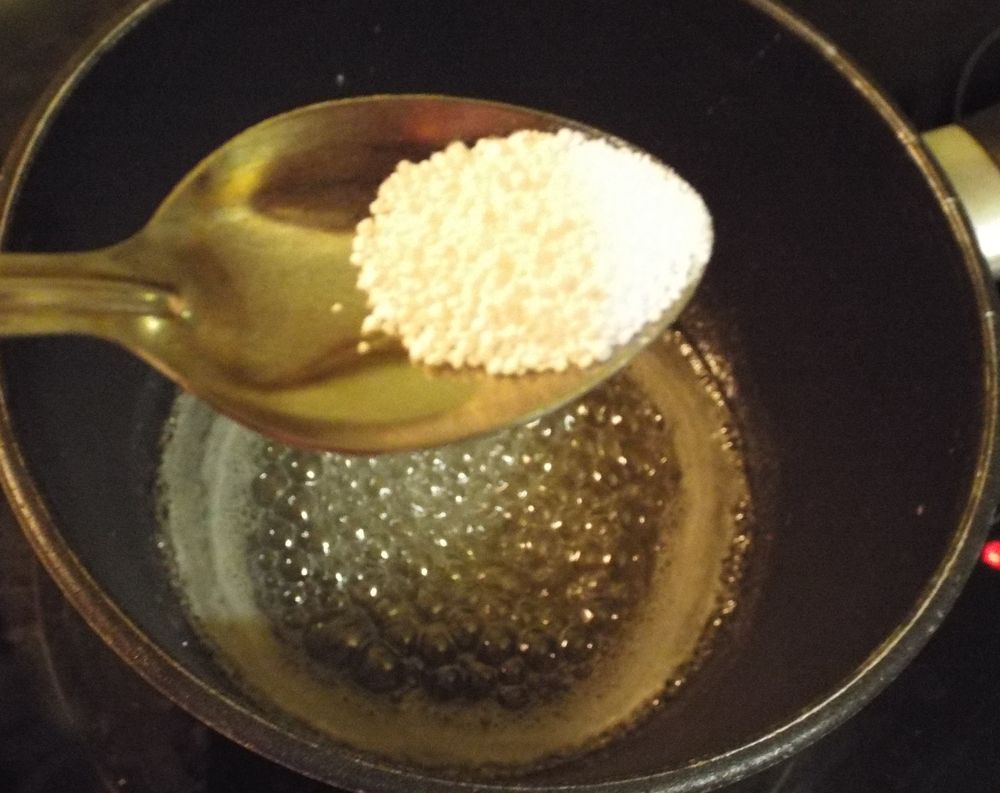
After 4 minutes of intense boiling, when the syrup has already become transparent, add a third of a teaspoon of citric acid and stir until dissolved. The photo shows how the syrup is actively boiling.
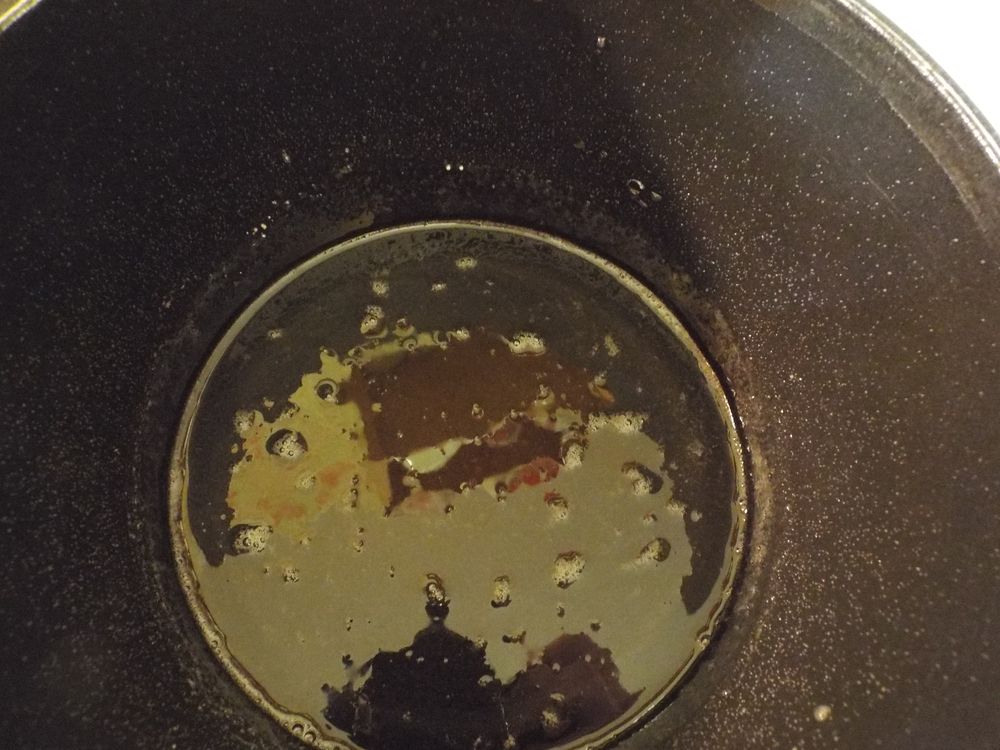
After 4-5 minutes, try the syrup into a “soft ball”. To do this, drop a little sugar syrup into a saucer with cold water and try to roll it into a ball with your fingers. If it works, then the syrup is ready. Immediately remove it from the hot stove. If the ball does not roll, cook for another half a minute and try again.
Now comes the most important action. Turn on the mixer at full power (remember that the whites are already whipped into a strong foam) and slowly, in a thin stream, pour the hot sugar syrup into the whites. The cream immediately begins to increase in volume.
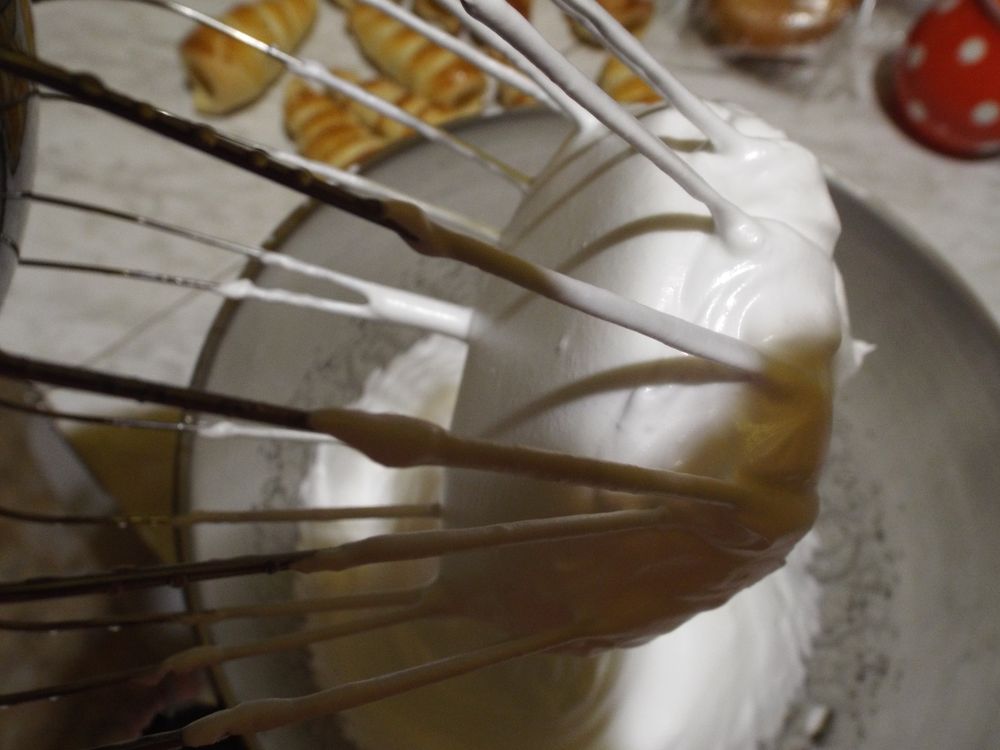
The sugar syrup makes the cream very hot. Continue beating until the cream cools to room temperature. This takes about 12-15 minutes.
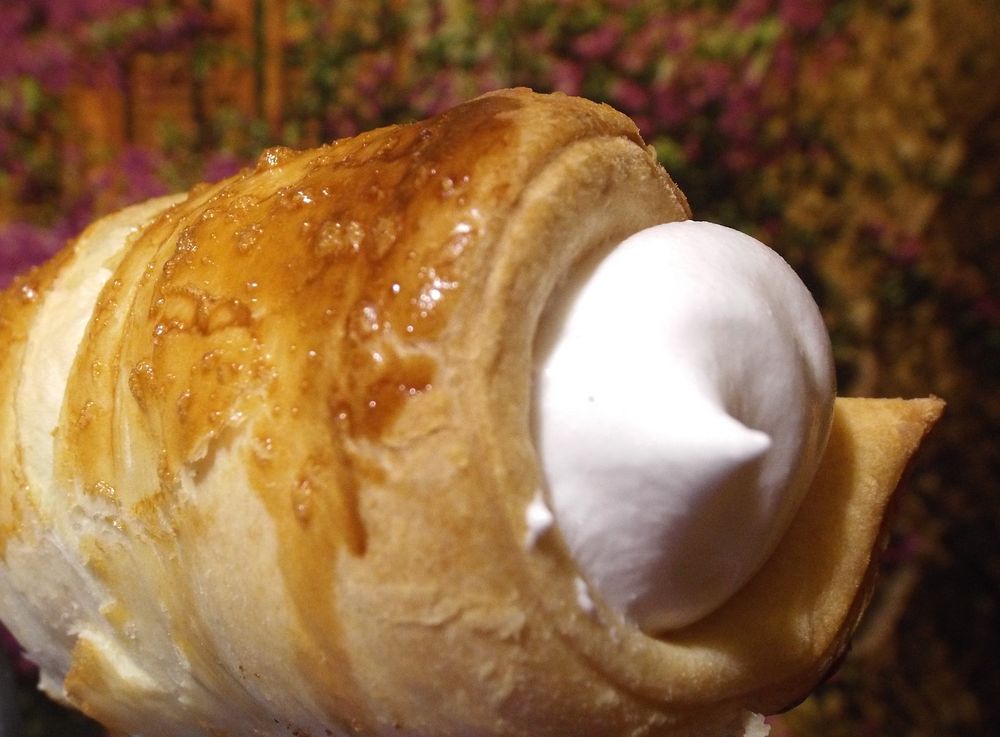
Fill the cream horns with the prepared cream or decorate the cake. The cream holds its shape well and does not flow.
If the meringue is loose and does not hold a sharply defined shape when piped, the syrup may have been overcooked. This happened to me when I got distracted: its temperature rose above 130°C. Much of the syrup stuck to the bottom of the bowl rather than mixing into the whites. Keep a close eye on the syrup.
If the whites will not whip, a little yolk may have got into them. Start again and use the failed mixture in another dish. Separate each egg over an empty bowl before adding its white to the others, so one broken yolk does not affect the whole batch.
If no yolk got into the whites, the bowl may have been wet or greasy. Wash the bowl thoroughly with dishwashing liquid and dry it before whipping. Even a little grease can prevent egg whites from whipping properly.